
Trees may look like they’ve shut down for the season, but the real work is happening underground. Roots stay active in winter, absorbing moisture and nutrients that fuel spring growth. When Northern Virginia winters are warm and dry, soil moisture drops faster than homeowners realize – and supplemental winter watering can make the difference between a healthy tree and one that struggles into the next season.
Key Takeaways
- Trees continue needing water throughout winter because their roots never go dormant, even when leaves are gone.
- Water trees when temperatures are above 40°F and use the “5+5 rule” (5 gallons plus 5 gallons per inch of trunk diameter).
- NOAA predicts above-normal temperatures for Northern Virginia’s 2025-2026 winter, making consistent watering even more critical.
- Clay soils in Fairfax County require longer, slower watering sessions than sandy Arlington soils to prevent runoff.
- Signs of winter drought stress include wilting branches, browning evergreen needles, and bark cracking.
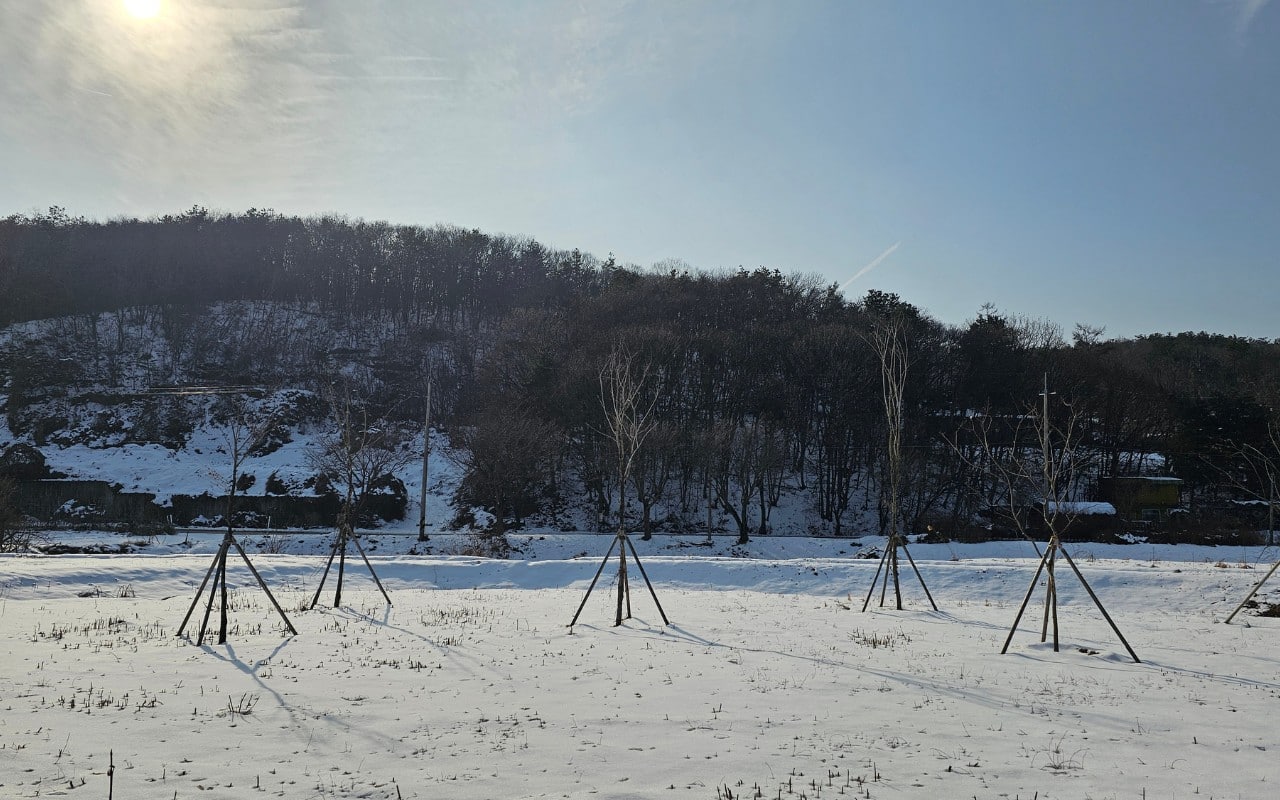
Newly planted trees require weekly winter watering during their first two winters, as their root systems haven’t established enough to find natural moisture sources.
Why Do Trees Need Water in Winter?
Trees need water in winter because dormancy slows above-ground growth, but it doesn’t shut down root activity or moisture demands. Several factors make winter watering important – especially when Northern Virginia is experiencing above average temperatures and below average precipitation:
- Roots Still Absorb Moisture Through Winter: Dormant trees continue taking up water to maintain basic cellular function and support spring growth.
- Evergreens Lose Water All Season: Pine, spruce, holly, and other evergreens transpire year-round and must replace that moisture to avoid winter desiccation – a dehydration injury that becomes visible as browning or dieback in spring.
- Frozen or Compacted Soils Limit Moisture Access: Freeze–thaw cycles and clay-heavy soils (common in Fairfax County) reduce how easily trees can take up water, increasing the need for supplemental irrigation during dry spells.
- Warm, Dry Winters Raise Metabolic Demand: Rising winter temperatures disrupt dormancy and increase moisture use at a time when most homeowners stop watering entirely.
“In Northern Virginia’s clay soils, winter drought stress is actually more common than most people realize because frozen or compacted soil prevents trees from accessing what little moisture is available. The trees that thrive through our unpredictable winters are the ones that get consistent care year-round.” – Wiley Holland, Tree Care Consultant at Green Vista
How to Tell Your Tree Needs Water in Winter
Recognizing winter drought stress early allows you to address problems before they cause permanent damage. Watch for these warning signs throughout the dormant season:
- Wilting or Drooping Branches and Evergreen Needles: Even during winter, healthy tree parts should maintain their normal shape and position.
- Browning Needle Tips on Pine, Fir, and Spruce Trees: This “winter burn” indicates insufficient moisture for the tree’s ongoing photosynthesis needs.
- Bark Cracking or Splitting, Especially on Younger Trees: Desiccated tree tissues become brittle and prone to freeze damage. Learn more about frost cracks in trees and their causes.
- Soil That’s Bone Dry 2-3 Inches Below the Surface: Check soil moisture with a screwdriver or soil probe.
These symptoms can appear gradually, making them easy to overlook during routine winter yard inspections. However, early intervention through proper watering can prevent permanent damage and expensive tree replacement.
What Is the Winter Weather Outlook for Northern Virginia in 2025-2026?
The National Weather Service’s Climate Prediction Center forecasts above-normal temperatures and below-average precipitation across Virginia for winter 2025-2026. This continues a pattern of increasingly mild winter conditions compared to historical averages.
Above-normal temperatures also mean soils are more likely to dry out between precipitation events, especially on younger plantings and evergreens that continue losing moisture through winter.
With limited snowpack and lower precipitation expected, winter drought stress becomes more likely. Rather than waiting for symptoms in spring, supplemental watering during mild winter stretches can help protect trees this season.
When to Water Your Trees
Watering your trees is only beneficial to them when you do it properly. Wait for winter warm spells when temperatures remain above 40°F for at least four consecutive hours. Never water when air temperatures drop below this point, as applied water may freeze and potentially damage root zones.
The best timing is midday, typically between 10 AM and 2 PM, when temperatures reach their daily peak. Always check three-day forecasts before deep watering. If freezing temperatures are predicted within 24 hours, postpone watering until conditions improve.
How Much Water Do Trees Need?
We recommend the “5+5 rule” for Northern Virginia trees:
- Base Amount: 5 gallons for any tree
- Additional Amount: 5 gallons per inch of trunk diameter (measured at chest height)
As an example, a 4-inch diameter trunk needs 25 gallons of water total.
Apply this water 1-2 times monthly for established trees or weekly for newly planted specimens during their first two winters.
- Clay soils (Common in Fairfax County): Apply water slowly over 2-3 hours using soaker hoses to prevent runoff. Clay’s low permeability means rapid water application simply runs away rather than soaking to root zones.
- Sandy soils (More Common in Arlington): Water can be applied more quickly, but may require more frequent applications as sandy soils drain faster and hold less moisture between waterings.
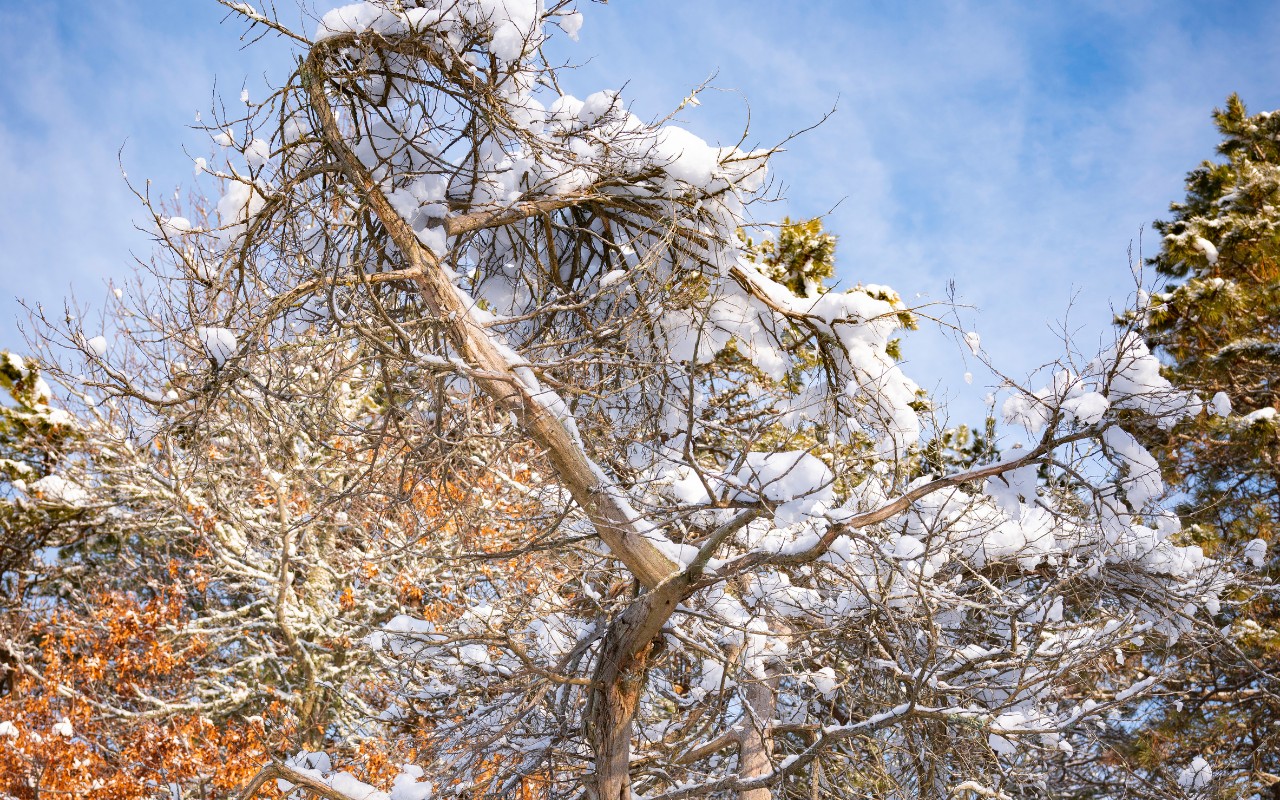
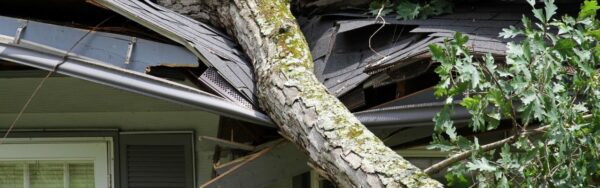
Winter drought stress combined with heavy snow loads can cause severe branch damage and tree failure, making proper winter watering essential for tree health.
How Do You Properly Water Trees in Winter?
Winter watering is less about volume and more about slow, even soil saturation. To do it correctly:
- Use the Right Equipment: Use soaker hoses or a garden hose set to a slow trickle. Never use sprinklers for winter tree watering, as spray patterns are inefficient and increase ice formation risk.
- Water at the Drip Line, Not the Trunk: Water where the tree’s branches end, not at the trunk base. This targets the active root zone where trees absorb most nutrients and water. Watering at the trunk base is ineffective and can encourage harmful fungal growth.
- Adjust Watering to You Soil Type: Water should soak into soil rather than running off. Clay soils (common in Fairfax County) absorb water slowly, so watering should be done over a longer period to prevent runoff. Sandy soils (more common in Arlington) drain quickly and may require more frequent watering because they don’t hold moisture as long.
- Water in Sections for Large Trees: For trees with canopies wider than 15 feet, move your hose around the drip line perimeter, watering each section for 30-45 minutes to ensure even coverage.
- Protect Your Equipment: After each use, completely drain hoses and store indoors. Water left in hoses will freeze and burst the equipment.
What Are Common Winter Watering Mistakes to Avoid?
Even well-intentioned tree care can cause problems when proper techniques aren’t followed. These mistakes frequently occur during Northern Virginia winters:
- Watering Too Late in the Evening: Always complete watering by mid-afternoon to allow absorption before overnight temperature drops.
- Applying Too Much Water Too Quickly: Fairfax County’s heavy clay requires patience, as water applied faster than the soil can absorb simply washes away.
- Assuming Evergreens Need Less Water Than Deciduous Trees: The opposite is true; evergreens maintain higher winter water needs due to continued photosynthesis.
- Stopping All Watering After the First Hard Freeze: Tree roots continue working throughout winter, requiring ongoing moisture even during cold periods.
- Using Sprinklers Instead of Ground-Level Watering Methods: Sprinkler systems waste water through evaporation and create ice hazards.
Frequently Asked Questions About Winter Tree Watering
Do evergreens need more water than deciduous trees in winter?
Yes, evergreens continue photosynthesis and lose water through their needles throughout winter, while deciduous trees have minimal water loss. Focus winter watering efforts on pines, firs, spruces, and broadleaf evergreens first.
Do young trees need water in winter?
Yes, as young trees haven’t developed extensive root systems capable of finding moisture during a dry period. Newly planted trees need approximately 1 inch of water weekly throughout their first two winters. This translates to roughly 10-15 gallons per week for most young trees, applied during appropriate weather windows when temperatures exceed 40°F.
What temperature is too cold for watering trees in Northern Virginia?
Never water when air temperatures are below 40°F or when the ground is frozen solid. Wait for winter warm spells when temperatures stay above 40°F for at least 4 hours during the day.
How do I know if my trees need watering in winter?
Check for wilting branches, browning evergreen needle tips, bark cracking, or soil that’s bone dry 2-3 inches down. These signs indicate winter drought stress requiring immediate attention.
Is winter watering safe during Northern Virginia’s freeze-thaw cycles?
Yes, but only when it’s done properly. Never water during ice storm warnings or when the ground is frozen. Always complete watering by mid-afternoon and drain hoses completely after use to prevent equipment damage. Check for municipal water restrictions, though most Northern Virginia localities allow essential tree watering year-round.
When is watering not enough for my trees in winter?
If multiple trees show severe drought stress despite proper watering, or if you see significant bark damage, large branch dieback, or root exposure from soil shrinkage, a professional assessment is needed. An arborist can help your tree recover from winter damage.
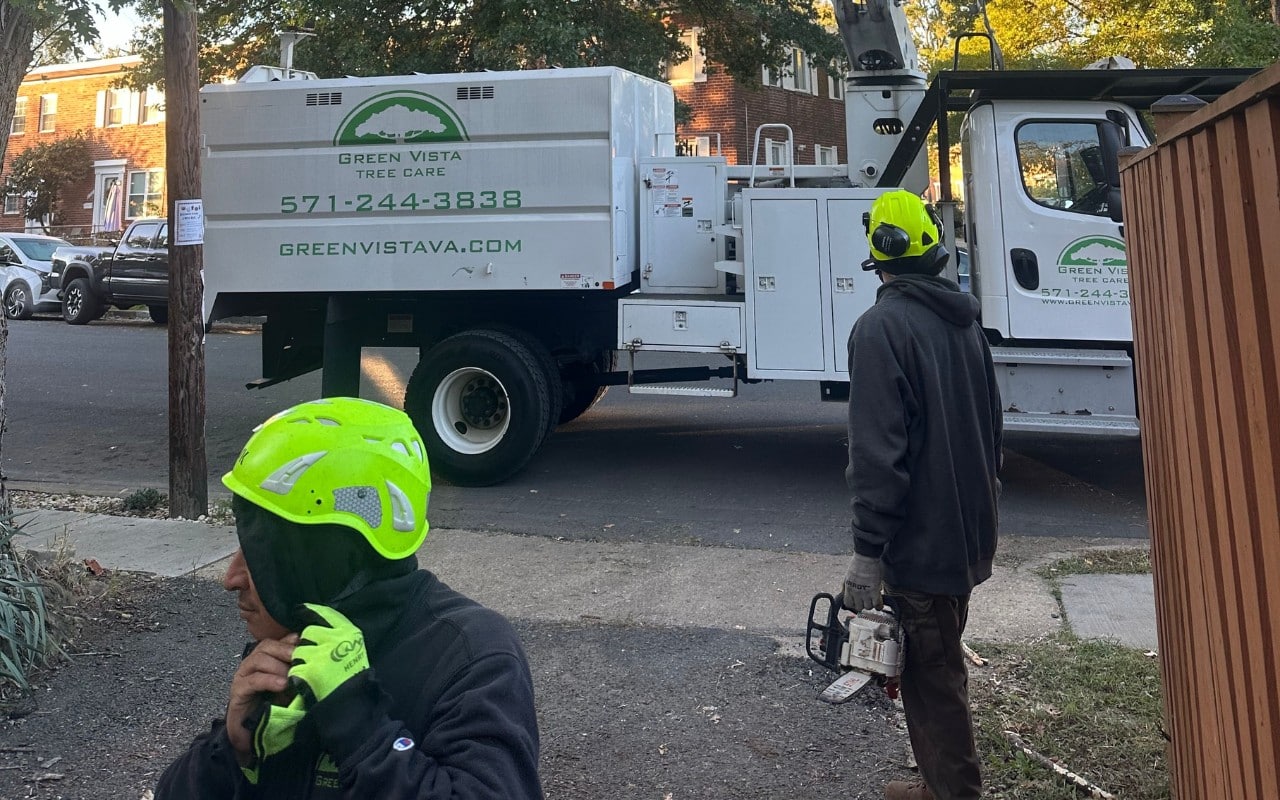
Green Vista’s Certified Arborists can assess winter drought stress and provide professional guidance for protecting your trees through Northern Virginia’s unpredictable winter conditions.
Don’t Let Winter Kill Your Trees; Get Help from Green Vista
Northern Virginia’s changing climate makes winter tree watering more important than ever. With NOAA predicting above-normal temperatures for 2025-2026, your trees will need consistent winter care to thrive.
For more comprehensive winter tree care tips and guidance tailored to your property, contact Green Vista Tree Care. Our arborists know how to keep your trees healthy and protect your investment. Get in touch with us by calling 703-249-6219 or request a quote online.



Get helpful tips, local news, inspiring stories, and more delivered right to your inbox every month. Don't miss another issue - join today!