
Spring construction season is ramping up across Northern Virginia, with contractors quickly filling their schedules — from McLean estate renovations to Arlington townhouse additions. Homeowners are eager to bring long-planned projects to life, but there’s a costly risk many overlook: construction damage to trees. What seems like a straightforward addition or fence installation can quickly turn into an unexpected expense if nearby trees are harmed.
The risk lies in how easily trees can be damaged during construction. Even routine activities can quietly compromise root systems and long-term stability, often without immediate visible signs. But with the right precautions, these impacts are largely preventable, helping you protect the shade, curb appeal, and property value benefits that mature trees bring to your property.
Key Takeaways
- Construction and landscaping projects can damage tree root systems and compact soil in ways that kill trees 2-5 years later, long after the work is finished.
- Homeowners can prevent most construction tree damage by installing protective fencing around root zones, using ground protection mats, and designating equipment-free areas before any work begins.
- Even small projects, like installing fences or utility lines, can severely damage trees because roots extend much farther underground than most people realize, typically 2-3 times beyond the visible canopy.
- Trees that suffer construction damage need immediate professional assessment and long-term monitoring because they may look healthy for years while gradually declining from hidden root damage and soil compaction.
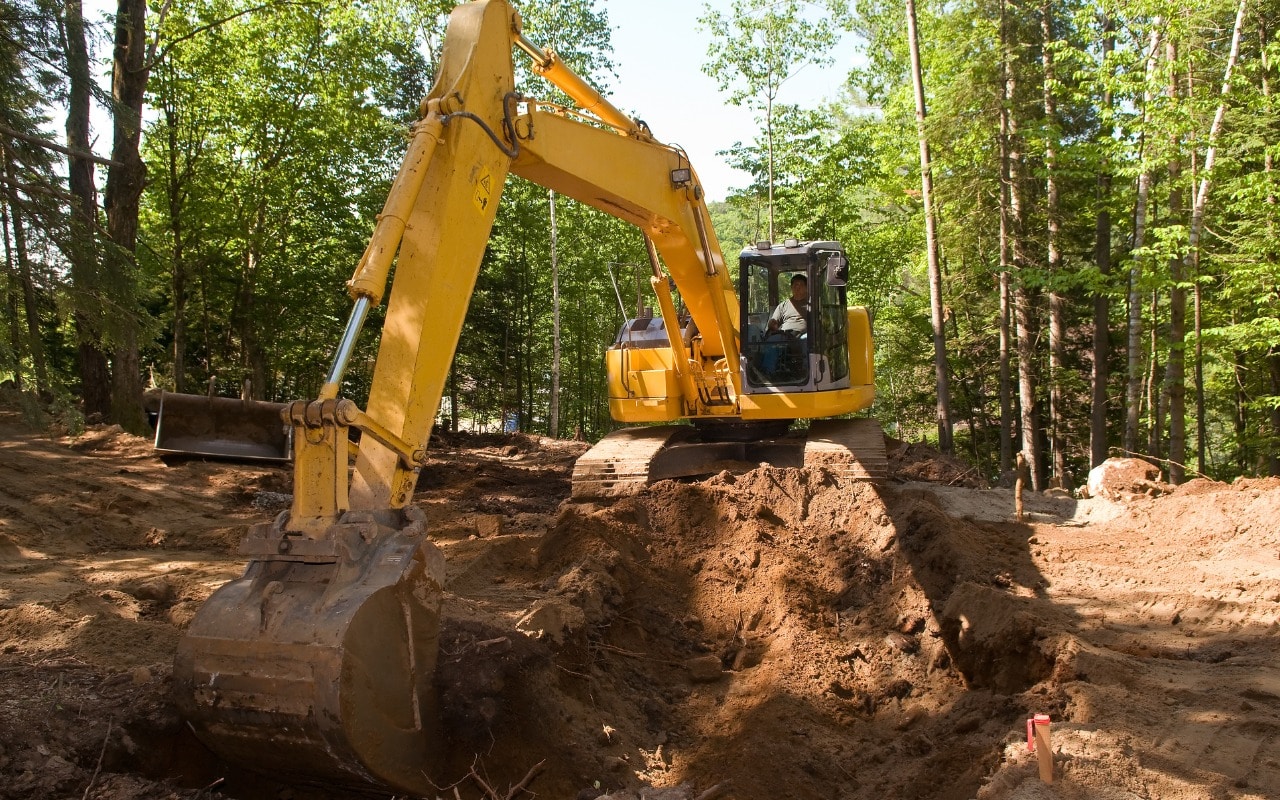
Excavation work near tree root zones in Northern Virginia’s clay-heavy soils can sever vital roots and cause damage that doesn’t show symptoms for years.
How Can Construction Damage Trees on My Property?
Construction can damage trees in several ways, often affecting both what you see above ground and what’s happening below the surface. From root disruption and soil compaction to physical damage and environmental stress, even routine building activities can put tree health at risk.
Digging Can Sever Tree Root Systems
The most destructive, and often invisible, threat to trees during construction is root damage. When contractors dig trenches for utilities, irrigation, or foundations, they often sever essential roots responsible for stability and nutrient uptake. Even smaller projects, like installing fence posts, can cut through major roots, weakening the tree’s structural support and disrupting the flow of water and nutrients.
In Northern Virginia’s clay-heavy soils, tree roots can extend 2–3 times beyond the drip line, meaning a tree’s critical root zone (the tree’s key support area) covers far more ground than most homeowners expect.
You can estimate this zone using a simple rule: allow one foot of protection radius for every inch of trunk diameter. For example, a mature 20-inch oak will require a protected area extending 20 feet from the trunk.
And because roots regenerate slowly, this type of damage can have lasting effects — making it one of the most critical risks to address before construction begins.
Heavy Equipment Compacts Soil Around Trees
Northern Virginia’s clay soils are especially vulnerable to compaction damage from construction equipment. When trucks, cranes, or smaller machines pass over a tree’s root zone, they compress the soil and eliminate the air spaces roots need to function, reducing water infiltration and blocking oxygen flow. Even a single pass can permanently alter soil structure, slowly suffocating roots over time.
Construction Equipment Damages Bark and Branches
Construction equipment frequently scrapes tree bark, creating ragged wounds that are difficult for trees to heal. Even minor damage can disrupt the cambium layer — the thin tissue responsible for transporting nutrients throughout the tree — compromising overall tree health.
Branch breakage from cranes, trucks, or other heavy equipment further reduces the tree’s photosynthetic capacity. Large tears often heal poorly, leaving the tree vulnerable to decay, pests, and long-term structural weaknesses.
Dust, Chemicals, and Soil Changes Disrupt Tree Health
Construction activities can introduce stresses that also weaken trees above and below ground. Above ground, the dust and debris from construction settles on leaves, reducing photosynthesis and limiting the tree’s energy production, while under the soil’s surface, concrete washout can raise soil pH, making it difficult for roots to absorb nutrients.
Changes to the surrounding grade can further compound these stresses by either burying roots under added soil or exposing them through lowered soil levels. Together, these impacts gradually reduce tree health and over time make trees more susceptible to disease and long-term decline.
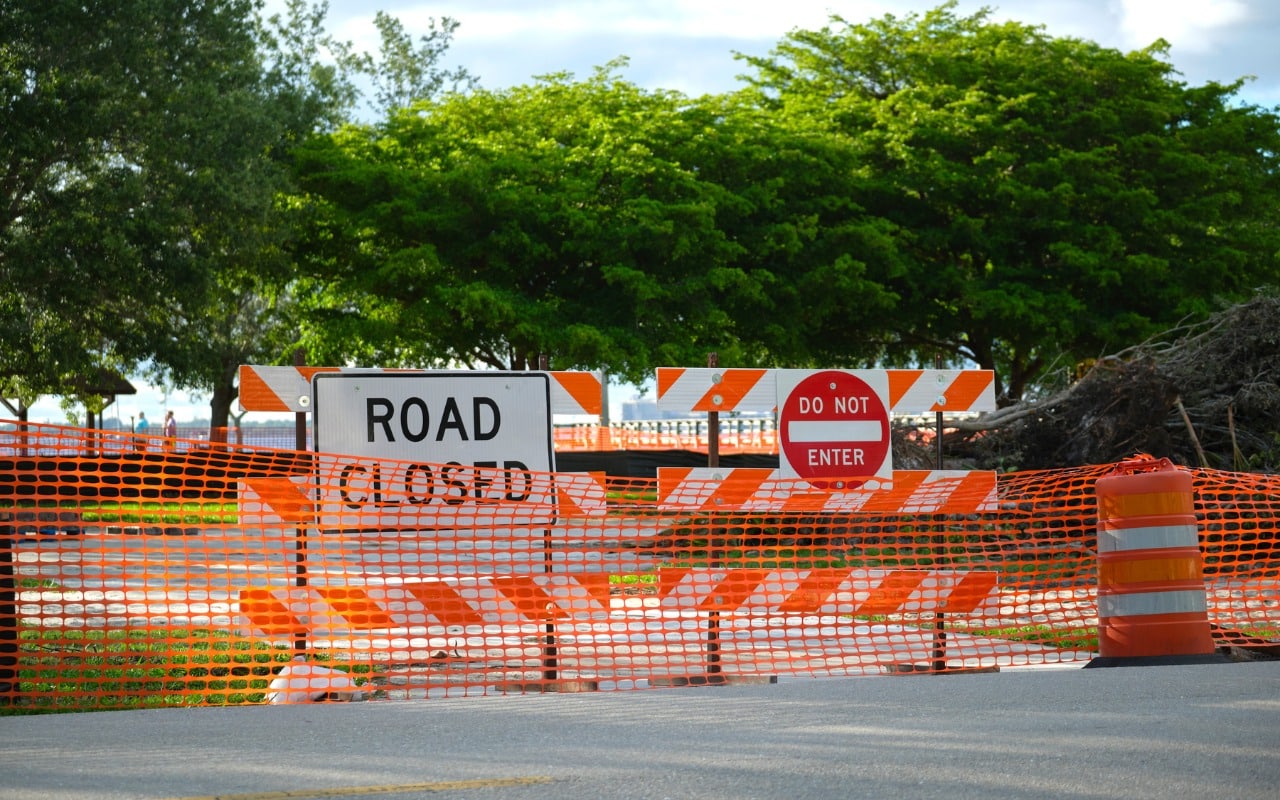
Proper protective fencing installed before construction begins creates a physical barrier that keeps heavy equipment away from critical root zones.
What Can I Do to Protect My Trees During Construction?
Effective tree protection during construction starts before any equipment arrives and requires planning, physical barriers, and safe work practices.
- Pre-Construction Planning and Assessment: Document your trees with photographs and identify which are worth protecting and which may need removal. Calculate tree protection zones using the one-foot radius per inch of trunk diameter rule. Additionally, plan construction timing carefully. Trees are most vulnerable during spring and early summer growth periods, making fall and winter the safer times for outdoor projects
- Establish Physical Protection Barriers: Install sturdy fencing around critical root zones before work begins. Use a 4–6 foot high chain link or wooden snow fence rather than flimsy plastic barriers. Position fencing at least at the drip line (farther if space allows) and mark it clearly, so crews know the area is off-limits to equipment, materials, and foot traffic.
- Ground Protection and Safe Practices: When construction must occur near trees, protect the ground with 6-inch mulch layers covered by plywood or metal construction mats. Designate equipment staging areas well away from tree protection zones and require that concrete washout containers be positioned away from trees. If work within the critical root zone is unavoidable, limit excavation to hand digging whenever possible.
- Professional Pruning Before Construction: Have conflicting branches professionally pruned before construction begins, rather than allowing equipment operators to make rushed cuts that can damage the tree. Completing this work early allows proper healing and reduces overall stress during construction.
What Should I Do if My Trees Were Damaged During Construction?
Even with careful planning, construction damage sometimes occurs. Quick assessment and proper recovery care can mean the difference between saving a valuable tree and losing it. Some of the actions you should take for your trees after construction damage include:
- Scheduling an Assessment: Inspect your trees for any signs of damage or stress from broken branches, bark wounds, or soil compaction. Document any of the information you find, and then schedule a professional evaluation with an arborist to see what can be done for your high-value tree.
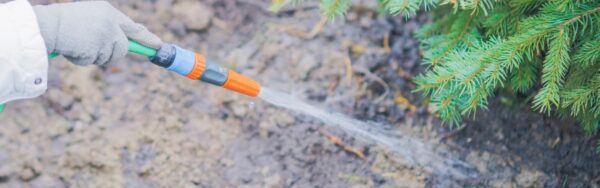
- Providing Proper Care: The right recovery steps depend on how your tree was affected by construction. An arborist may recommend targeted watering to reduce stress, pruning to clean up damaged areas, or mulching to support root recovery.
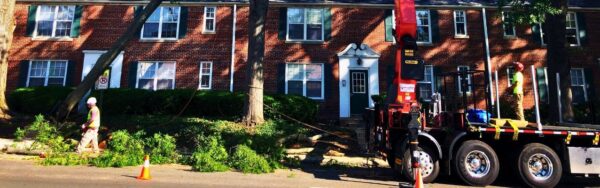
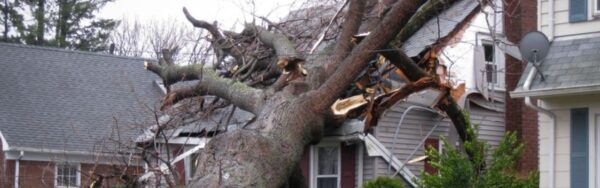
- Removing Trees You Can’t Save: If construction damage is too great, trees may become dead and dangerous and require removal. Professional tree removal will eliminate the hazards from your property and keep your home and family safe. In some cases, construction damage results in dead or structurally compromised trees. When that happens, professional removal may be necessary to reduce risk to your home and property.
Frequently Asked Questions About Construction Damage to Trees
How far from a tree can you safely dig during construction?
The safe digging distance is typically 1 foot from the trunk for every inch of trunk diameter. For a 20-inch oak tree, for instance, stay at least 20 feet away when possible, and use hand digging for any work closer. Ideally, avoid all digging within a tree’s critical root zone.
Can construction damage kill trees years later?
Yes, construction stress often doesn’t show visible decline for 2-5 years. Root damage and soil compaction weaken trees gradually, making them susceptible to drought, storms, and diseases over time.
What’s the most common construction mistake that damages trees?
Driving heavy equipment over tree root zones without protection is the most common construction mistake that damages trees. Even a single pass can compact Northern Virginia’s clay soils enough to seriously damage root systems.
How much does it cost to protect trees vs. replace them?
Tree protection is significantly less expensive than mature tree replacement. Professional protection strategies represent a small investment compared to the substantial costs of replacing established trees, plus the decades needed to regain similar shade, beauty, and value benefits.
Should I remove damaged trees immediately after construction?
Not necessarily. Many trees can recover from construction damage with proper care. Have a Certified Arborist evaluate damage before deciding on removal, as some trees surprise you with their resilience.
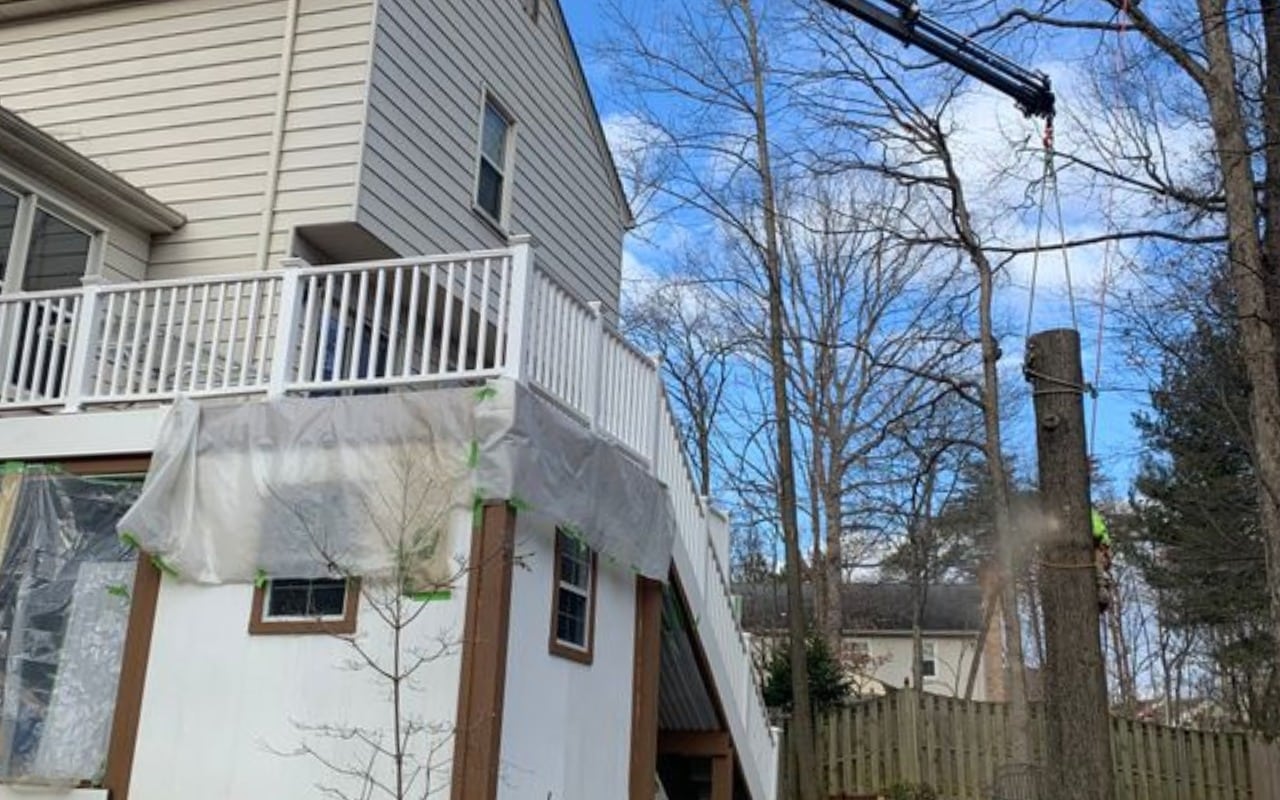
When construction damage is too severe for trees to recover, professional removal becomes necessary to eliminate safety hazards from dead or dying trees.
Get Help Protecting Your Trees During Your Next Construction Project from Green Vista
Construction doesn’t have to come at the expense of your trees. With the right planning and protection, you can preserve the shade, beauty, and long-term value they bring to your property. The many benefits trees provide make these precautions well worth the effort, helping you avoid unnecessary loss while maintaining a mature, established landscape.
If you need help preparing for a project or addressing damage afterward, Green Vista’s team is here to help. From protecting healthy trees to safely removing those that can’t be saved, we’ll make sure your landscape is handled with care. Call us today at 703-249-6219 or request a quote online to get started.

Get helpful tips, local news, inspiring stories, and more delivered right to your inbox every month. Don't miss another issue - join today!