Colorado State University predicts 13 named storms, six hurricanes, and two major hurricanes this year. These numbers don’t indicate whether or not a storm will hit Alexandria, but it only takes one tropical system tracking up the Mid-Atlantic to bring hurricane-level winds, heavy rain, and saturated soil to Northern Virginia. That’s why tree preparation for hurricanes in Alexandria, VA is a conversation to have before the season kicks off and not in the middle of it.
Key Takeaways
- Atlantic hurricane season runs June through November 30, which means preventive tree work should happen well before major storm activity ramps up.
- Saturated soil from heavy rain is the main reason trees come down in summer storms.
- A walk-around risk check by an ISA Certified Arborist catches the structural problems homeowners can’t see.
- Preventive pruning before hurricane season is the highest-ROI step you can take to protect your house.
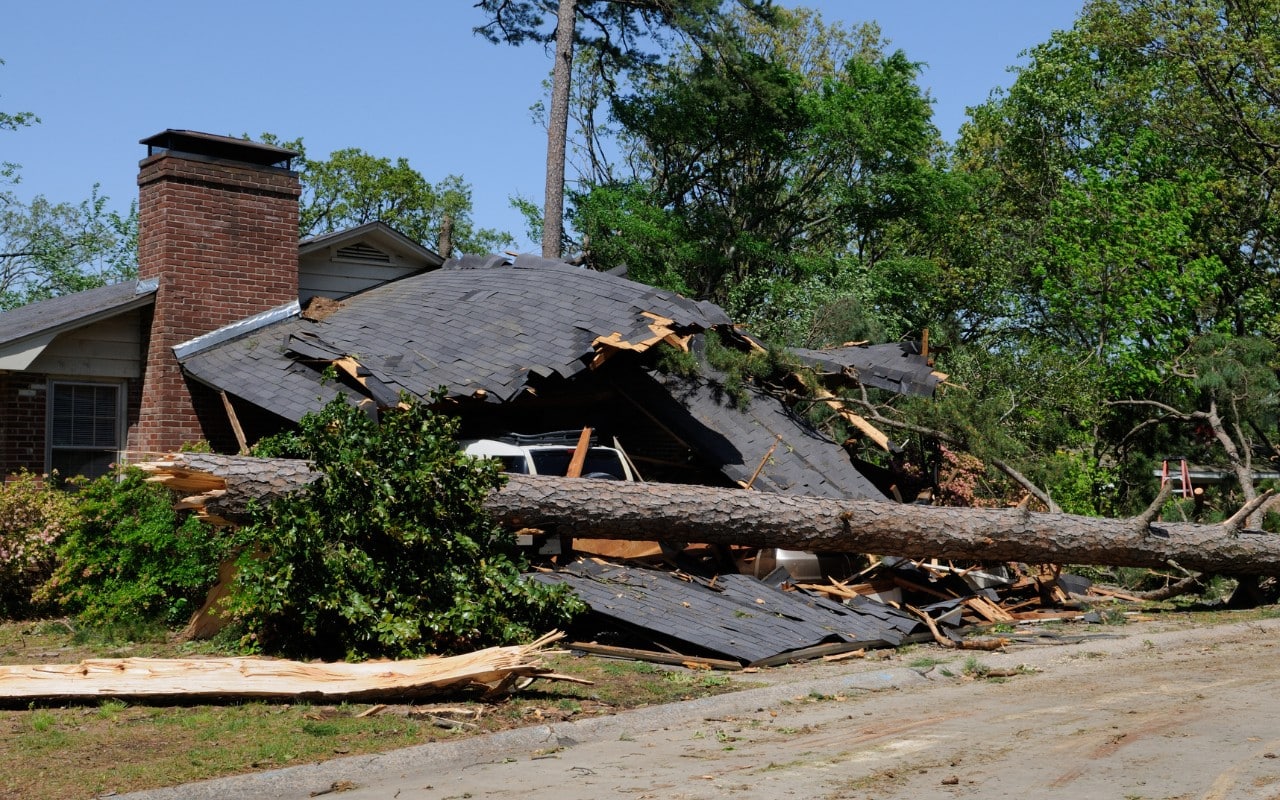
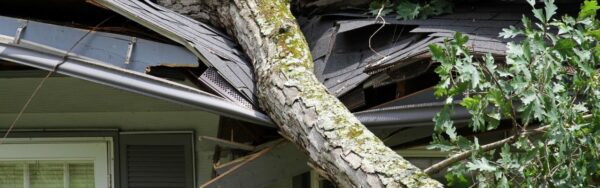
On Alexandria’s close-quarters lots, a single tree failure can take out a roof, a fence, and a car at once.
Why Do Alexandria Homeowners Need a Hurricane Plan?
Alexandria’s location and tree canopy make it more exposed to hurricane impacts than most of inland Virginia. The Potomac is close by, soils saturate quickly under tropical rainfall, and the mature canopy that makes up Old Town and Del Ray is also why one failure can take out a roof, fence, and car all at once.
Alexandria’s Geography Amplifies Hurricane Risk
Three factors are at play here:
- Low elevation and proximity to the Potomac make storm surge and flash flooding major concerns when a tropical system stalls over the region.
- Mature trees in Old Town, Del Ray, and Rosemont carry decades of accumulated structural defects that only show up when a storm reveals them.
- Close-quarter lots mean a tree that fails almost always hits something.
Trees typically don’t come down from just wind. After multiple days of rain, soil softens around the root plate, and an otherwise stable tree can fall in gusts that wouldn’t have moved it a few weeks prior. That’s why the region sees a wave of uprooted trees after tropical systems.
Recent Forecasts Are Not a Reason to Relax
Forecasters have called for a slightly below-average 2026 Atlantic hurricane season. That doesn’t mean there’s low risk for any individual property, though. Forecasts describe the season in general terms; they don’t clarify whether one storm will pass over Alexandria or not. Your trees either have the structure to handle a major wind event, or they don’t.
When Should You Prepare Your Trees for Hurricane Season?
The best time to prepare your trees for hurricane season is May. The work has to happen long before the season, so the pruning cuts can heal, schedules don’t get cluttered, and any trees flagged for removal can come down before the wind ramps up.
Well Before Severe Weather Arrives
This is when the real work takes place:
- Schedule a tree risk assessment with an ISA Certified Arborist.
- Complete any preventive pruning so cuts have time to heal before storm season.
- Identify trees that need removal and get them scheduled.
As Storm Activity Increases
- Walk the property after heavy rain. Look for new lean, exposed roots, or soil heaving on one side of the trunk.
- Confirm that any planned work is on the calendar. Reputable companies book up fast once forecasts get serious.
- Save Green Vista’s 24/7 emergency number in your phone before you need it.
When a Storm Is in the Forecast
At this point, the prep window is closed. Major pruning is no longer an option because there isn’t enough time for the wounds to seal, and crews can’t climb safely in incoming weather. Focus on what’s still within your control:
- Secure outdoor furniture.
- Clear gutters.
- Identify a safe interior space.
If a tree is actively showing failure signs, that’s an emergency call.
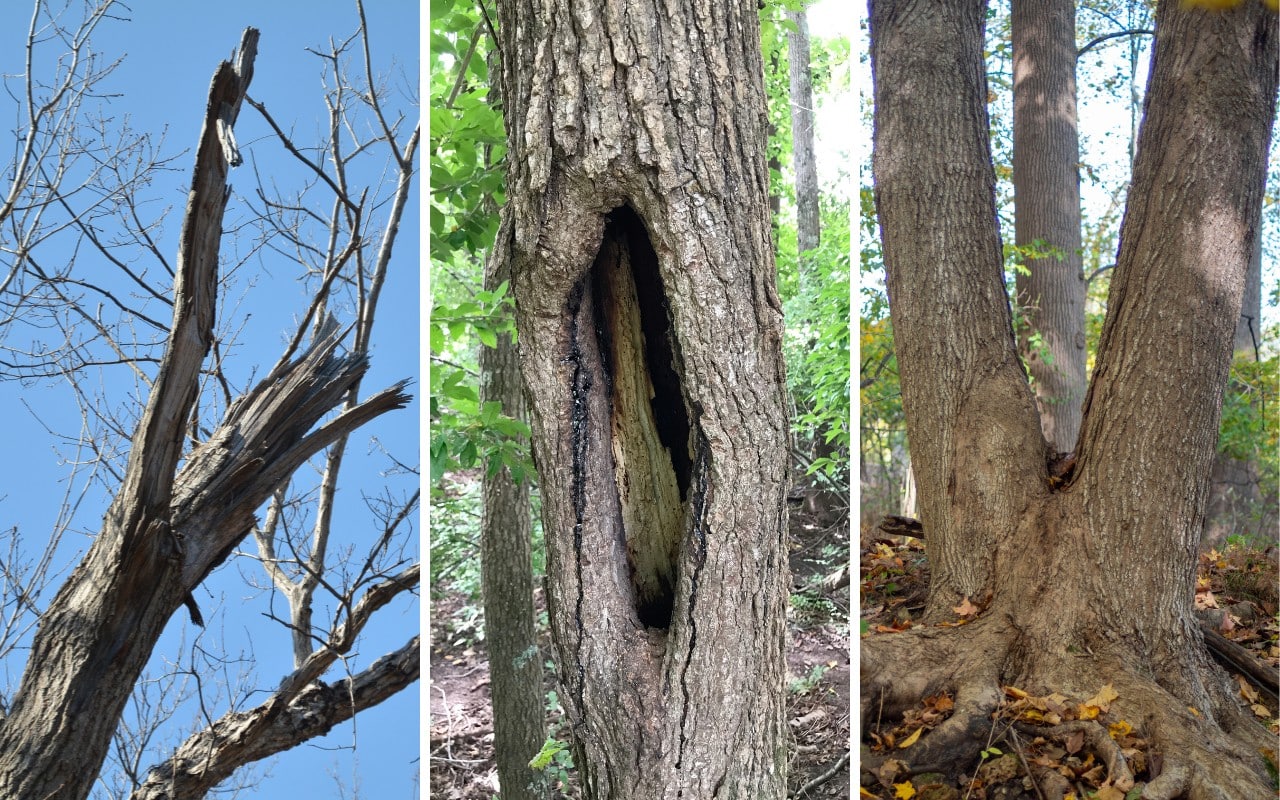
Three of the most common warning signs homeowners can spot from the ground: deadwood in the canopy, trunk cavities, and V-shaped co-dominant unions.
How Do You Tell If a Tree Is at Risk Before a Hurricane?
There are warning signs you can see from the ground. Often, though, the most dangerous defects need a trained eye. A homeowner’s observation flags trees that need a closer look, and a Certified Arborist’s assessment catches what the homeowner missed.
What Homeowners Can Spot from the Ground
Walk your property after the next heavy rain and look for:
- A blatant lean that wasn’t there before, or fresh soil heaving on one side of the trunk.
- Large dead branches in the canopy. Deadwood fails first in high winds.
- Cavities, fungal conks, or large cracks in the trunk.
- V-shaped branch unions with included bark, as they split under load.
- Exposed or girdling surface roots, especially after heavy rain.
If you notice any of these, get the tree checked before storm season.
What an ISA Certified Arborist Checks For
A trained arborist’s risk assessment transcends what’s visible from the ground. They help by:
- Evaluating the structural integrity of branch unions higher in the canopy.
- Looking for decay patterns that aren’t apparent from below.
- Using sounding tools, like a resistograph, to measure internal wood condition.
- Examining the root flare and root plate for signs of recent movement.
- Recognizing species-specific failure patterns common in Northern Virginia (e.g.: Bradford pears with co-dominant leaders or mature water oaks with internal decay).
Once an arborist identifies which trees are structurally sound and which defects actually increase storm risk, the next step is reducing that risk proactively. In many cases, that means preventive pruning—removing weak, overloaded, or failure-prone growth before hurricane season arrives.
Why Is Preventive Pruning the Best Hurricane Prep Investment?
Most trees flagged during a hurricane-prep assessment don’t need removal. They need strategic pruning that improves how the canopy handles wind and saturated soil.
Preventive pruning decreases the surface area wind can grab and removes the parts of the tree most likely to fail before the storms arrive. When done right, it’s the highest-return action a homeowner can take in early spring, and it works on trees that are otherwise structurally sound but carry weight in the wrong places.
What Preventive Pruning Does for a Tree Under Storm Load
A few specific interventions matter most:
- Crown thinning, which is never more than 20% of the canopy, lowers wind resistance without compromising tree health.
- Deadwood removal eliminates the branches most likely to break and become projectiles.
- Structural pruning on younger trees corrects co-dominant leaders before they turn hazardous.
- For mature trees with structural issues, cabling and bracing may be recommended as part of the assessment.
Why Proper Pruning Before Hurricane Season Matters
Pruning in late spring gives wounds time to compartmentalize before storm stress shows up. Pruning two weeks before a hurricane does not, however, and the tree goes into a stress event with open wounds.
Technique and timing are of utmost importance. Topping and lion-tailing are not preventive pruning and create more hazards. Even the right cuts can do harm if too much is removed at one time, as over-thinning weakens how a tree responds to wind. The goal is selective, balanced reductions performed to ANSI A300 standards. Any company you hire should be ISA Certified and able to confirm they abide by said standards.
Storm prep aside, regular tree maintenance is what keeps a tree’s structure resilient every year.
Frequently Asked Questions About Tree Preparation for Hurricanes
When does hurricane season start in Virginia?
The Atlantic hurricane season runs June 1 through November 30. For Alexandria, the highest-risk months are usually August through October, when tropical systems tend to track up the Eastern Seaboard.
Has a hurricane ever hit Alexandria, VA?
Yes. Hurricane Isabel caused major tree damage and flooding across Alexandria in 2003, but Northern Virginia has also dealt with the remnants of other tropical systems that brought heavy rain, saturated soil, and damaging wind long after the hurricanes made landfall farther south. Even weakening storms can create the exact conditions that cause mature trees to fail in Alexandria—especially when prolonged rain softens the soil before strong wind arrives.
That’s why preventive tree work is most effective before tropical storm activity ramps up along the East Coast.
Should I trim my trees before a hurricane?
Yes. Tree trimming should be done in May, and not when storms are in the forecast. Preventive pruning works because cuts have time to seal and the canopy is properly balanced before storm load starts. Pruning in the days before a hurricane creates open wounds and can do more harm than good.
What trees are most likely to fall in a hurricane?
In Northern Virginia, common high-risk species include:
- Bradford pear
- Water oak
- Silver maple
- Mature loblolly pine
Still, any tree with structural issues is at enhanced risk regardless of species.
How do I know if a tree on my property is dangerous?
Look for a visible lean, large dead branches, fungal conks, cracks in the trunk, or exposed roots after rain. The most reliable answers come from an ISA Certified Arborist’s risk assessment.
Does homeowners insurance cover hurricane tree damage?
Coverage for hurricane tree damage varies by policy. Documentation from a pre-season arborist assessment can help support a claim. For your specific situation, check with your insurer.
Is it too late to prepare my trees if a storm is already in the forecast?
Major pruning isn’t safe or effective once a storm is coming. By then, focus on emergency calls only if a tree is actively showing failure signs, and prepare your home and family.
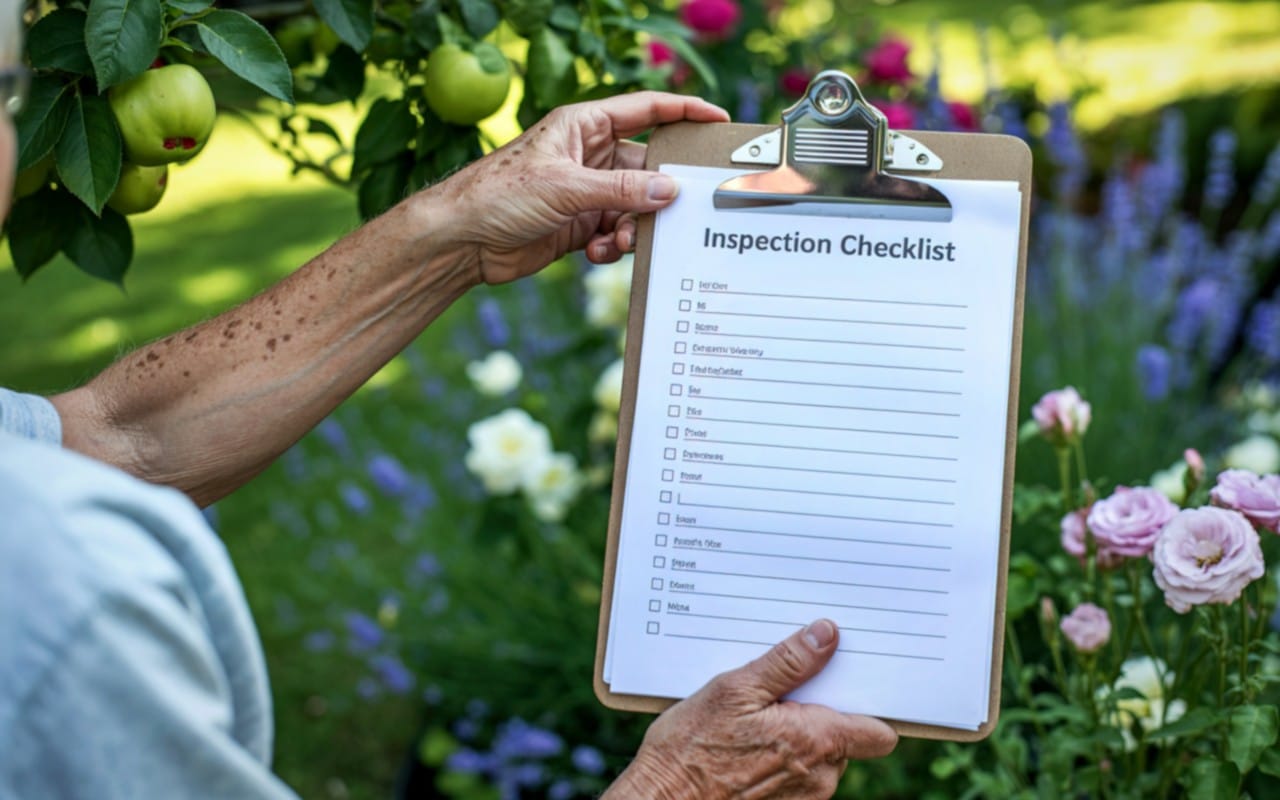
A documented arborist risk assessment doubles as evidence if a storm later causes damage and you need to support an insurance claim.
Get the Best Hurricane Tree Preparation in Alexandria, VA From Green Vista Tree Care
Alexandria’s geography, mature canopy, and history of tropical impacts indicate the importance of starting hurricane preparation before June 1. The highest-ROI step is an arborist-led risk assessment followed by preventive pruning, done early enough so cuts can seal and any required removals can happen.
The homeowners who plan for storm season now are the same ones who don’t have to make emergency calls later in the season. If you’d like an ISA Certified Arborist to walk your property and point out what needs attention prior to storm season, schedule your consultation with Green Vista Tree Care by calling 703-249-6219 today.


Get helpful tips, local news, inspiring stories, and more delivered right to your inbox every month. Don't miss another issue - join today!