
Once the leaves start coming down in Falls Church and Dunn Loring, it may seem like a good time to tackle overgrown or crowded branches before winter. But for most routine structural pruning, fall isn’t the best time to make those cuts. The tree is preparing for dormancy, and pruning now can interfere with that process.
That doesn’t mean every pruning job needs to wait. Dead, damaged, or hazardous limbs may need attention right away, while routine pruning is often better scheduled for a different time of year. Understanding what can be pruned now, what should wait, and why timing matters can help you avoid unnecessary stress on your trees heading into winter.
Key Takeaways
- Most routine pruning is better saved for dormancy, while dead, damaged, or hazardous branches should be addressed when they pose a safety concern.
- Fall pruning between September and November depletes the energy reserves a tree needs for winter and opens fresh cuts to fungal infection.
- Oaks should be pruned November through February, once oak wilt beetles have gone dormant for the season.
- For many mature shade trees, dormant-season pruning (January through early March) makes it easier to evaluate branch structure and decide which cuts will benefit the tree long term.

Leaf color and leaf drop are part of the transition into dormancy, not a sign that a tree is already fully dormant and ready for routine pruning.
Is Fall a Good Time to Prune Your Trees?
For most routine pruning, it’s better to wait until the dormant season. Shaping, thinning, and reducing branches can usually be scheduled for winter, when conditions are better suited for structural pruning.
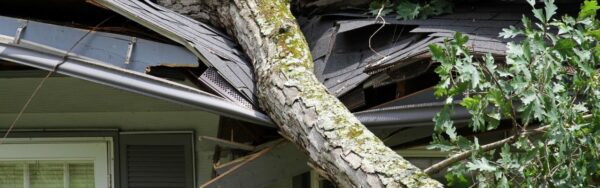
The exception is work that can’t safely wait. Dead, broken, storm-damaged, or hazardous branches should be addressed when they pose a risk, regardless of the season. This is especially important for the mature trees common throughout Falls Church and Dunn Loring, where a large failing limb can cause significant damage.
What Happens to Trees as They Prepare for Dormancy?
As days shorten and temperatures cool, trees begin shifting from active growth to winter dormancy. Leaves continue producing carbohydrates until they drop, while the tree stores energy in its roots, trunk, and branches to support winter survival and spring growth. At the same time, new growth slows and begins hardening off for colder temperatures.
Pruning too early in this transition can work against those processes:
- Less Energy Stored for Winter: Removing healthy leaves before they naturally drop reduces the amount of time they have to produce and store carbohydrates.
- New Growth May Be Vulnerable to Cold: Pruning at the wrong time can sometimes stimulate new growth that hasn’t had enough time to harden before freezing temperatures arrive.
- Some Disease Pressure Is Still Active: Fresh pruning wounds can create entry points for certain pathogens that remain active during mild fall weather.
Once the tree is fully dormant, the seasonal transition is complete and routine structural pruning can often be performed with fewer of these concerns.
Does the Best Pruning Timing Depend on the Type of Tree?
Yes. While dormant-season pruning is a good general rule for many shade trees, some species have additional timing considerations. Oaks are an important example in Northern Virginia because fresh pruning wounds can increase exposure to oak wilt during periods of beetle activity.
For that reason, oak pruning is best scheduled during the dormant season, generally November through February. Other common trees, including maples, elms, and dogwoods, may have their own pruning considerations, so identifying the species is an important part of choosing the right time to prune.
What Type of Pruning Can Be Done in Fall?
Not every pruning cut needs to wait for winter. The reason for pruning matters: work that protects people, property, or the tree itself may need to be done when the problem is found, while pruning meant to improve the tree’s overall structure can usually wait until dormancy.
- Dead or Broken Branch Removal: Dead limbs and branches damaged by storms can be removed in fall, particularly when they could fall on a home, driveway, walkway, or other frequently used area.
- Hazard Reduction: Cracked, hanging, or structurally compromised branches should be addressed when they pose a risk rather than left in place until the ideal pruning season.
- Clearance Pruning: Branches interfering with a structure, blocking necessary access, or creating another immediate conflict may need selective pruning in fall.
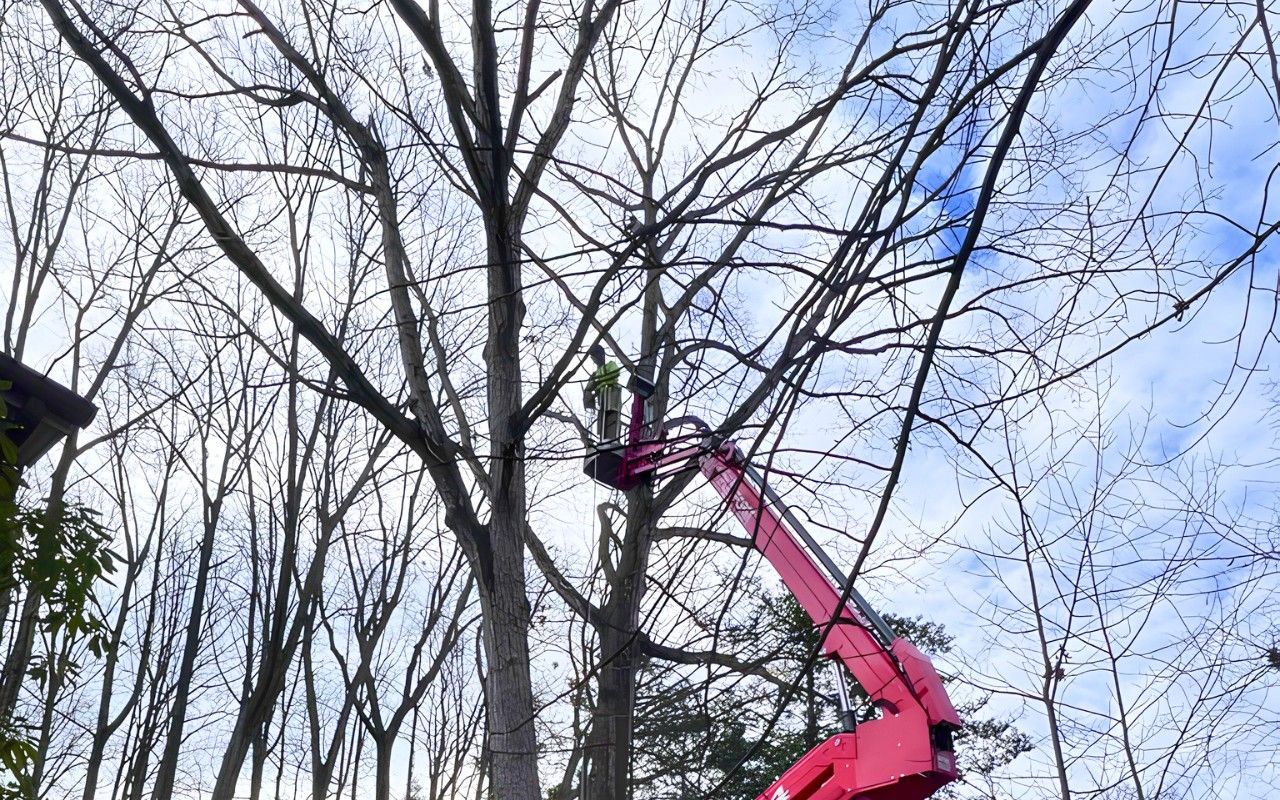
With leaves out of the way during dormancy, arborists can better identify crossing branches, weak unions, and other structural issues before making pruning cuts.
Why Is the Dormant Season Better for Pruning?
The dormant season, generally November through March, offers several advantages for routine structural pruning:
- Better Visibility: Without leaves in the way, arborists can clearly see branch structure, including crossing limbs, weak unions, and other defects that may be hidden during the growing season.
- Less Stress on the Tree: Pruning after leaf drop avoids removing foliage while the tree is actively producing and storing energy.
- Lower Pest and Disease Pressure: Many insects and pathogens are less active during cold weather, reducing the risk associated with fresh pruning wounds for susceptible tree species.
- More Precise Structural Pruning: With the full canopy structure visible, arborists can make more targeted decisions about which branches to remove while preserving healthy growth.
Frequently Asked Questions About Tree Pruning and Trimming
Is it safe to prune fruit or flowering trees in the fall?
Not usually. Many spring-flowering trees form the following year’s flower buds during the previous growing season, so fall pruning can remove branches that are already carrying next spring’s blooms. These trees are often best pruned shortly after flowering, while many fruit trees are better pruned in late winter while dormant and before new growth begins.
How long does it take a pruning wound to heal?
It depends on the size of the cut and the tree’s health, but a properly made cut on a healthy tree usually starts closing within one growing season. Dormant-season cuts get a head start, since they typically close before pests and pathogens become active again in spring.
Does a newly planted tree need different pruning timing than an established one?
Yes. Young trees are more sensitive to stress and generally need minimal pruning while they establish a root system. It’s worth holding off on structural pruning for the first few years, and sticking to dormant-season timing even after that.
Should pruning cuts be sealed or treated after fall work?
Generally, no. Wound dressings aren’t recommended for most routine pruning cuts because trees naturally compartmentalize wounds without them. One notable exception is fresh oak wounds made during periods of high oak wilt risk, when wound paint may be applied immediately to reduce the chance of beetles transmitting the disease.
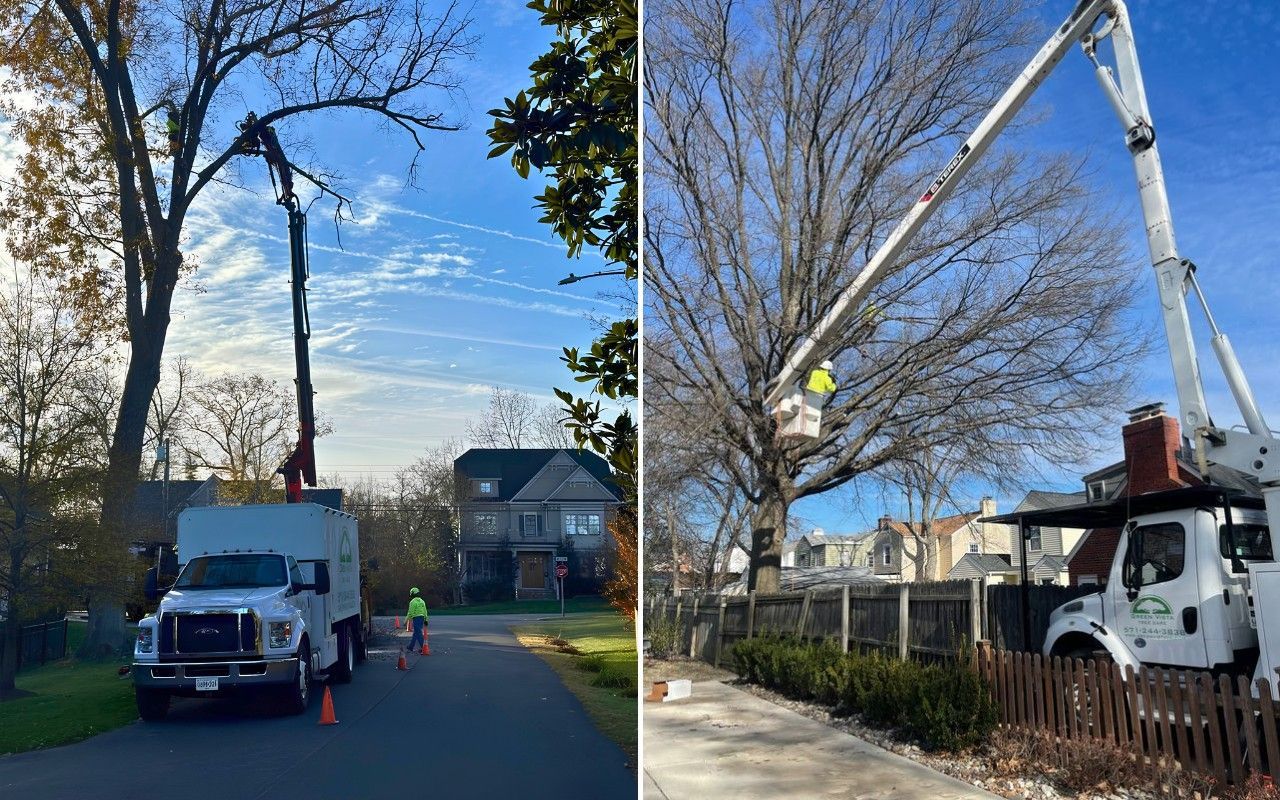
With the canopy bare, dormant-season pruning allows arborists to clearly evaluate branch structure and make pruning decisions based on the tree’s long-term health and structure.
Give Your Tree the Right Cuts at the Right Time with Green Vista Tree Care
Good pruning isn’t just about making the right cuts; it’s also about making them at the right time. Hazardous or storm-damaged branches may need attention now, while routine structural pruning can often wait until dormancy, when conditions are better for the tree and its structure is easier to evaluate.
If you’re unsure whether your tree needs attention this fall or can wait for winter, request a free estimate online or call Green Vista at 571-244-3838 today. Our arborists can assess what needs to be addressed now and help you plan the rest for the appropriate season.


Get helpful tips, local news, inspiring stories, and more delivered right to your inbox every month. Don't miss another issue - join today!